Oko-Irese, Kwara State — March 27, 2026
Thomas Adewumi University hosted the Engineering Accreditation Committee (EAC) of the Council for the Regulation of Engineering in Nigeria for a three-day high-impact professional training workshop aimed at strengthening engineering education and accreditation processes in Nigeria.
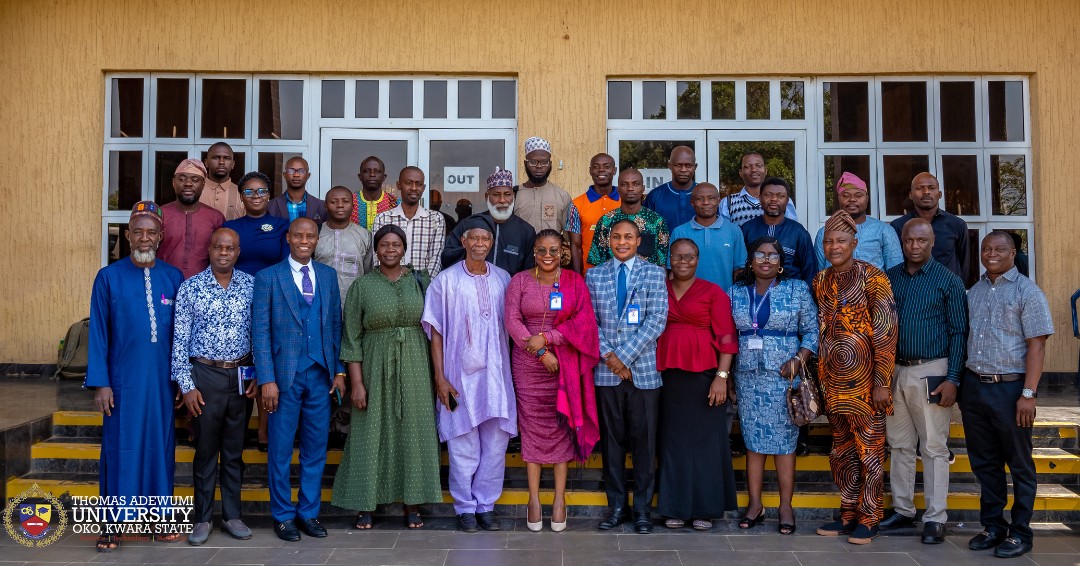
The workshop, held from March 24 to 27, 2026, brought together engineering professionals and academics from five universities across the country, including Adeleke University, Ede; Ladoke Akintola University of Technology, Ogbomoso; University of Nigeria, Nsukka; Federal University of Technology, Akure; and Bamidele Olumilua University of Education Science and Technology, Ikere-Ekiti; alongside the host institution, TAU. Representatives from the COREN Ilorin Zonal Office were also in attendance.
The training was facilitated by Prof. John Adesiji Olorunmaiye, a Professor of Mechanical Engineering at the University of Ilorin and former Chairman of the Engineering Accreditation Committee. Over the course of three days, he delivered an intensive training programme focused on Outcome-Based Education (OBE) and engineering accreditation standards.
The workshop commenced with an opening meeting with the Vice-Chancellor, Prof. Francisca O. Oladipo. In his remarks, the Dean of the Faculty of Engineering, Prof. Oladipupo Oladejo, formally introduced the lead facilitator, representatives from COREN, including Mrs. Ojo of the Ilorin Zonal Office, as well as participating professors, deans, heads of departments, and engineering professionals.
Welcoming the participants, the Vice-Chancellor expressed appreciation to the Dean for “bringing the world to Oko-Irese” and commended the attendees for travelling long distances to be part of the workshop. She highlighted that TAU received approval from the National Universities Commission (NUC) in June 2023 to commence five engineering programmes, with support from partner institutions.
Describing TAU as “an engineering campus,” Prof. Oladipo noted the institution’s strong engineering identity, driven by its founder and chancellor, an engineer, and the active involvement of local engineers in campus development. She further emphasized the hands-on approach of the Faculty of Engineering, where students actively participate in construction projects, thereby gaining practical skills.
The Vice-Chancellor also encouraged participants to see TAU as a mentee institution, noting its growth potential and openness to collaboration. She reiterated the university’s commitment to global standards through initiatives such as Google Global Certifications, strategic partnerships, and skills-driven education.
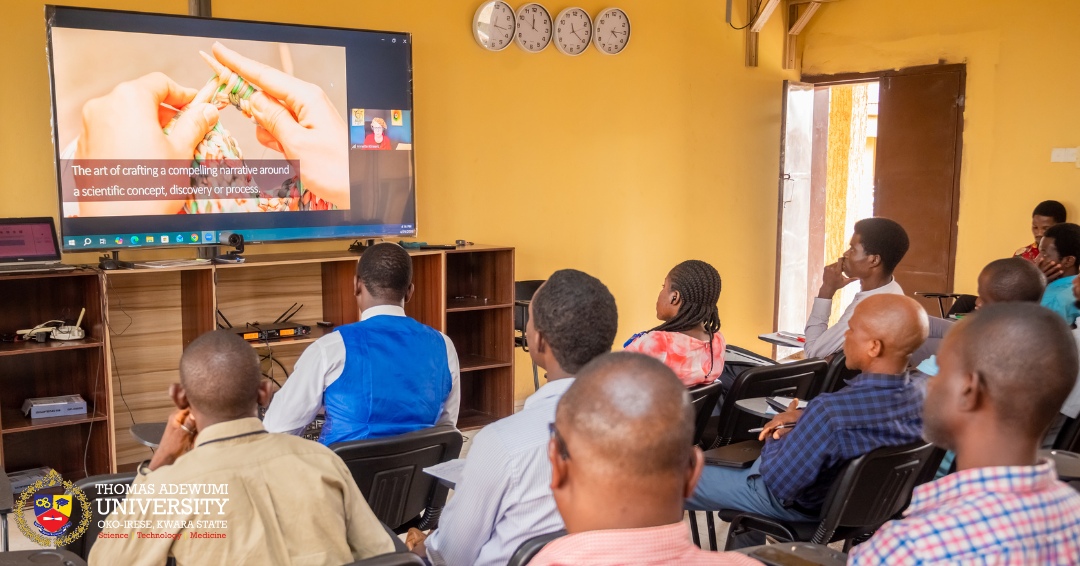
In a virtual call session, the Chancellor, Engr. Dr. Johnson Adewumi also welcomed participants, expressing his delight as an engineer to host such a significant workshop. He reaffirmed his commitment to advancing the engineering profession and stated that TAU is dedicated to producing graduates who will surpass expectations in the field.
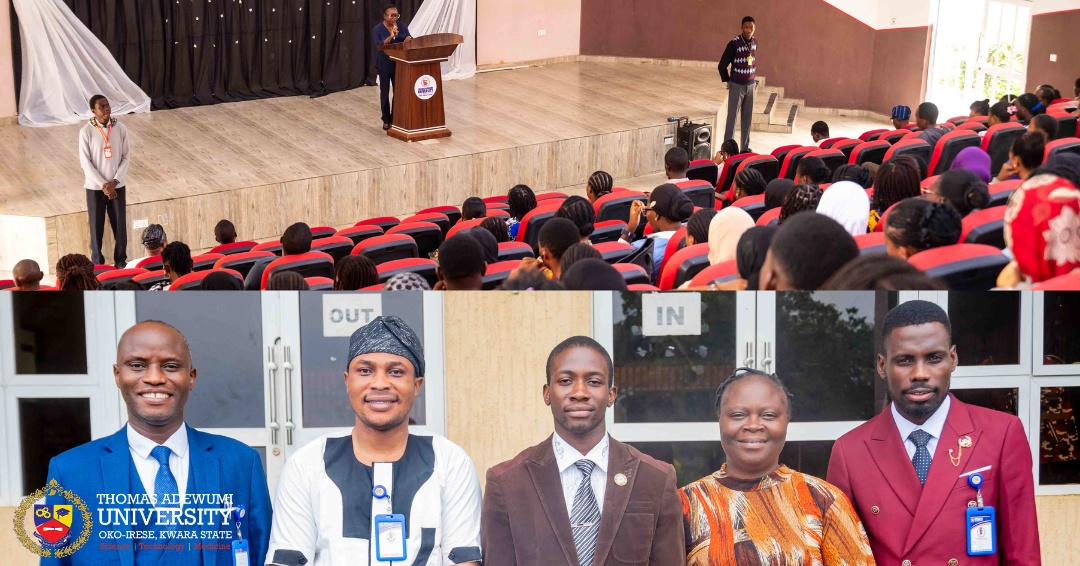
The formal opening ceremony, held at the university auditorium, was attended by principal officers of the university, workshop participants, and invited guests. Delivering the opening address, the Vice-Chancellor urged participants to maximize the opportunity presented by the workshop, noting its expected outcomes, including industrial certification, innovation, and improved accreditation readiness.
In his remarks, Prof. Olorunmaiye outlined the structure and objectives of the workshop, emphasizing its focus on knowledge, skills, and attitudes as core components of engineering education. He commended TAU for integrating entrepreneurship into its academic curriculum and encouraged participants to engage actively through constructive contributions. He also announced the creation of a dedicated WhatsApp platform, “TAU Train-the-Trainer Workshop,” to sustain professional discussions beyond the training.
The Registrar, Mr. Fisoye Kolawole, delivered the vote of thanks, appreciating participants and facilitators for their commitment to advancing engineering education.
The workshop sessions commenced in full thereafter. Day One focused on an overview of Outcome-Based Education, contrasting it with traditional, teacher-centered approaches. The facilitator highlighted the limitations of conventional methods, noting that they often fail to adequately prepare graduates for the workforce. He emphasized that OBE is student-centered and designed to equip learners with relevant competencies.
Subsequent sessions explored the principles and implementation of OBE, including learning outcomes at various levels—programme, course, and topic-based—as well as continuous quality improvement processes. Participants were also guided on the differences between traditional and OBE systems, with emphasis on student engagement, assessment, and outcome measurement.
Day Two addressed the components of an outcome-based engineering programme, including course design, delivery, and documentation. The importance of maintaining comprehensive course files for monitoring and evaluating teaching effectiveness was underscored as a key requirement for accreditation.
On the final day, the facilitator provided detailed insights into accreditation procedures, documentation requirements, and the expectations of COREN during accreditation visits. The session concluded with an interactive question-and-answer segment, allowing participants to seek clarifications and deepen their understanding.
Certificates of participation were presented by Mrs. Ojo of the COREN Ilorin Zonal Office, marking the successful completion of the training.
In his closing remarks, the Dean of the Faculty of Engineering, Prof. Oladejo, expressed appreciation to all participants and stakeholders for their active involvement and commitment to advancing engineering education in Nigeria.
The workshop reaffirmed Thomas Adewumi University’s growing reputation as a hub for academic excellence, professional development, and innovation in engineering education.